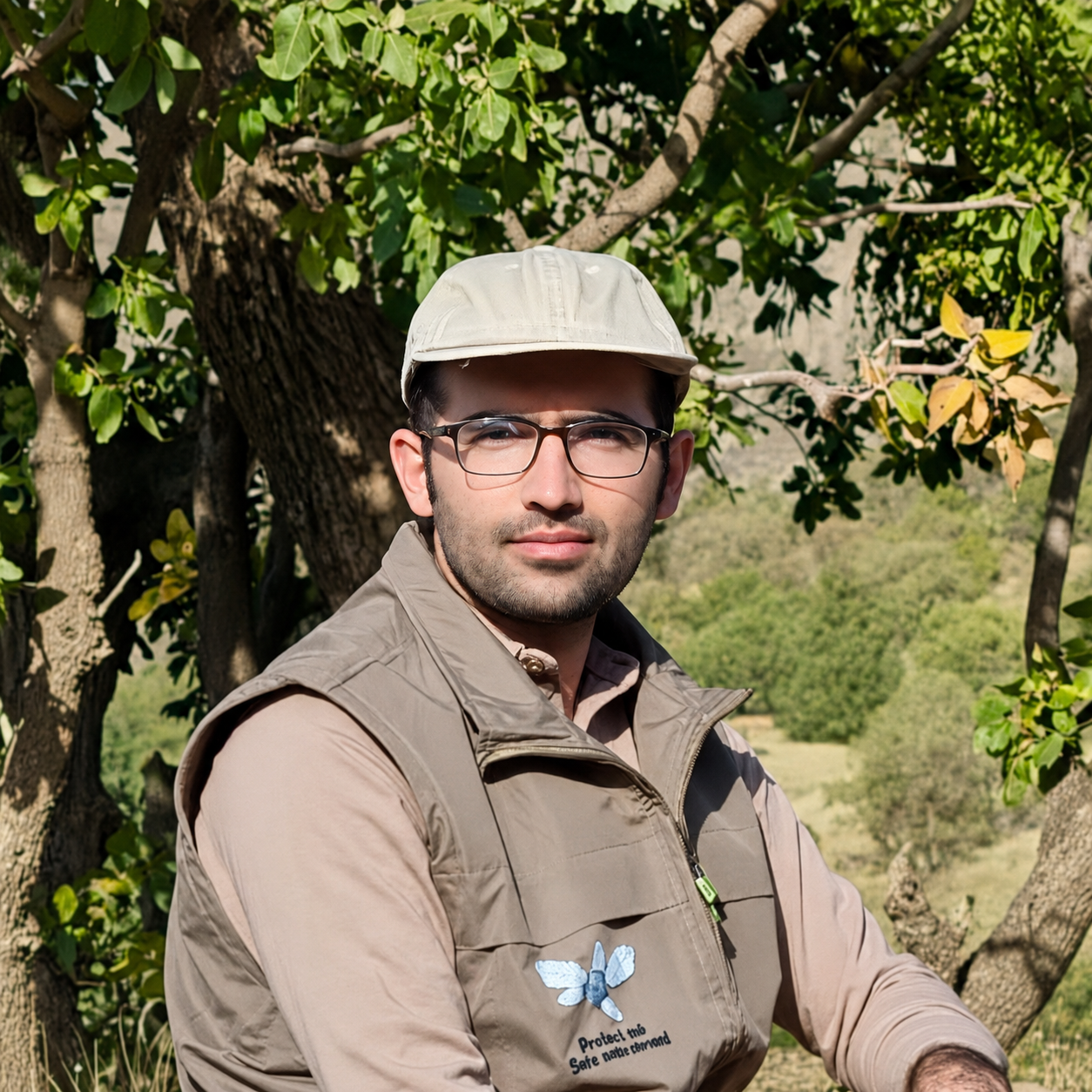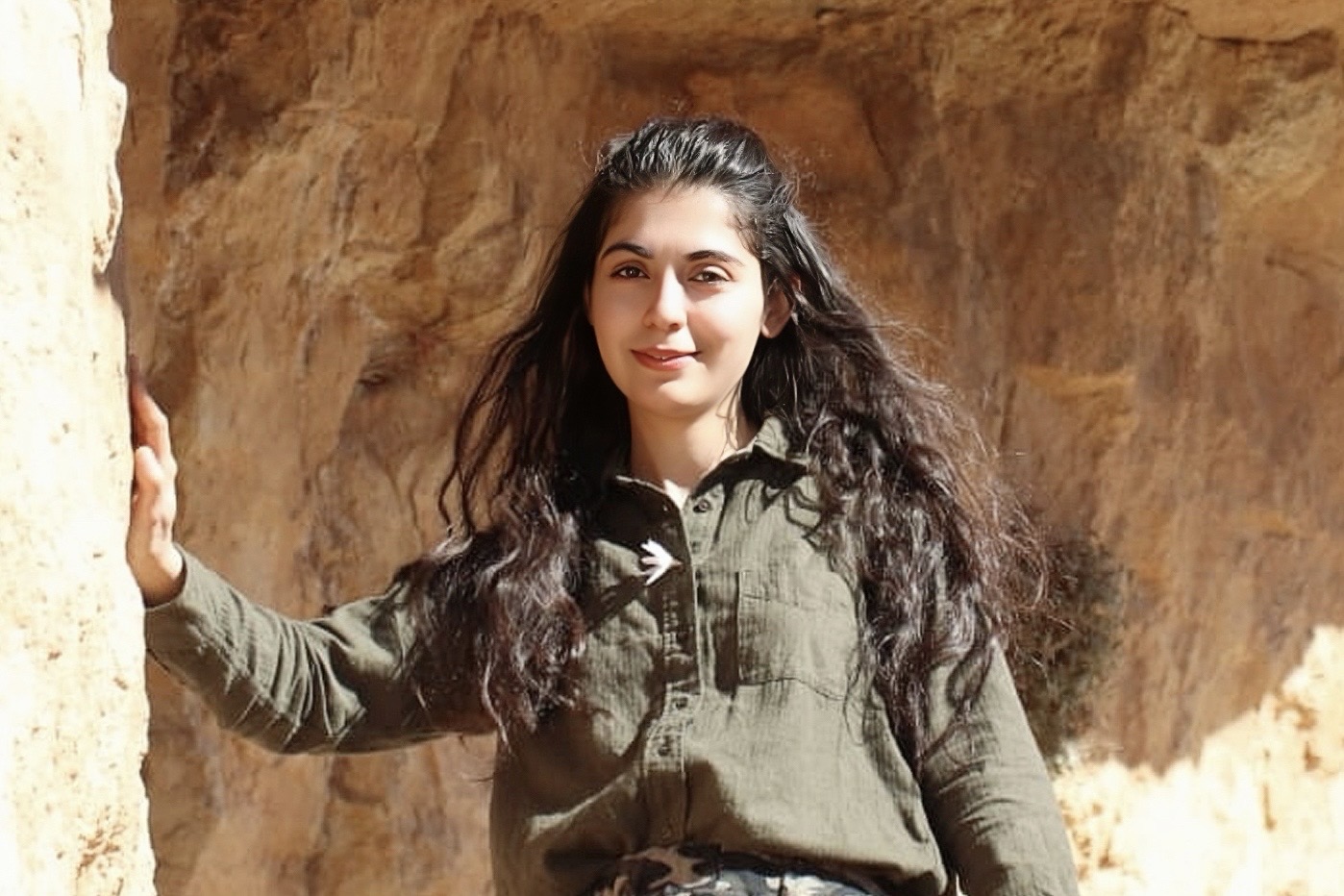
Driven by her passion for wildlife and nature, she has been actively involved in biodiversity research, field exploration, conservation planning, environmental awareness, and community-based conservation initiatives. Her work focuses particularly on underdocumented and threatened wildlife, including elusive species such as the Persian leopard (Panthera pardus tulliana), as well as the ecosystems and habitats upon which they depend.
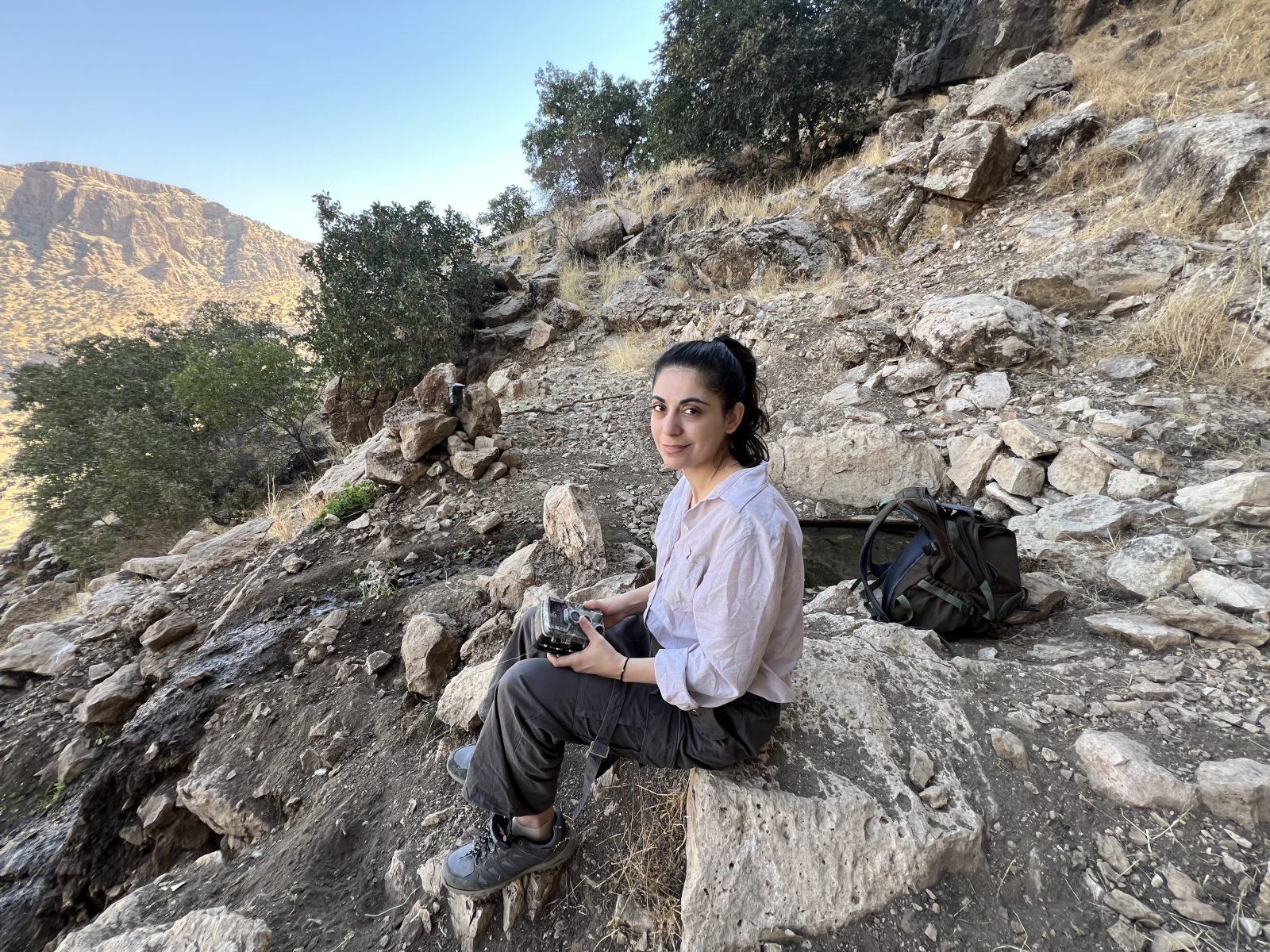
Soma I. Majeed setting up a camera trap during fieldwork in the Kurdistan Region of Iraq. Photo by Soran H. Ahmed.
Her commitment to wildlife conservation developed in response to the limited scientific documentation and conservation planning available for many of Kurdistan’s species and ecosystems, alongside decades of environmental challenges, conflict, and unsustainable practices.
Through fieldwork, scientific collaboration, and biodiversity documentation, she has contributed to recording wildlife species and expanding knowledge of the region’s natural heritage, including records of species previously undocumented in Iraq or the Kurdistan Region. She believes that systematic documentation and research are fundamental steps toward identifying conservation priorities, understanding threats, and developing effective protection strategies.
Her conservation work addresses major environmental challenges, including habitat loss and fragmentation, hunting and poaching, human–wildlife conflict, climate change, water scarcity, and wildfires.
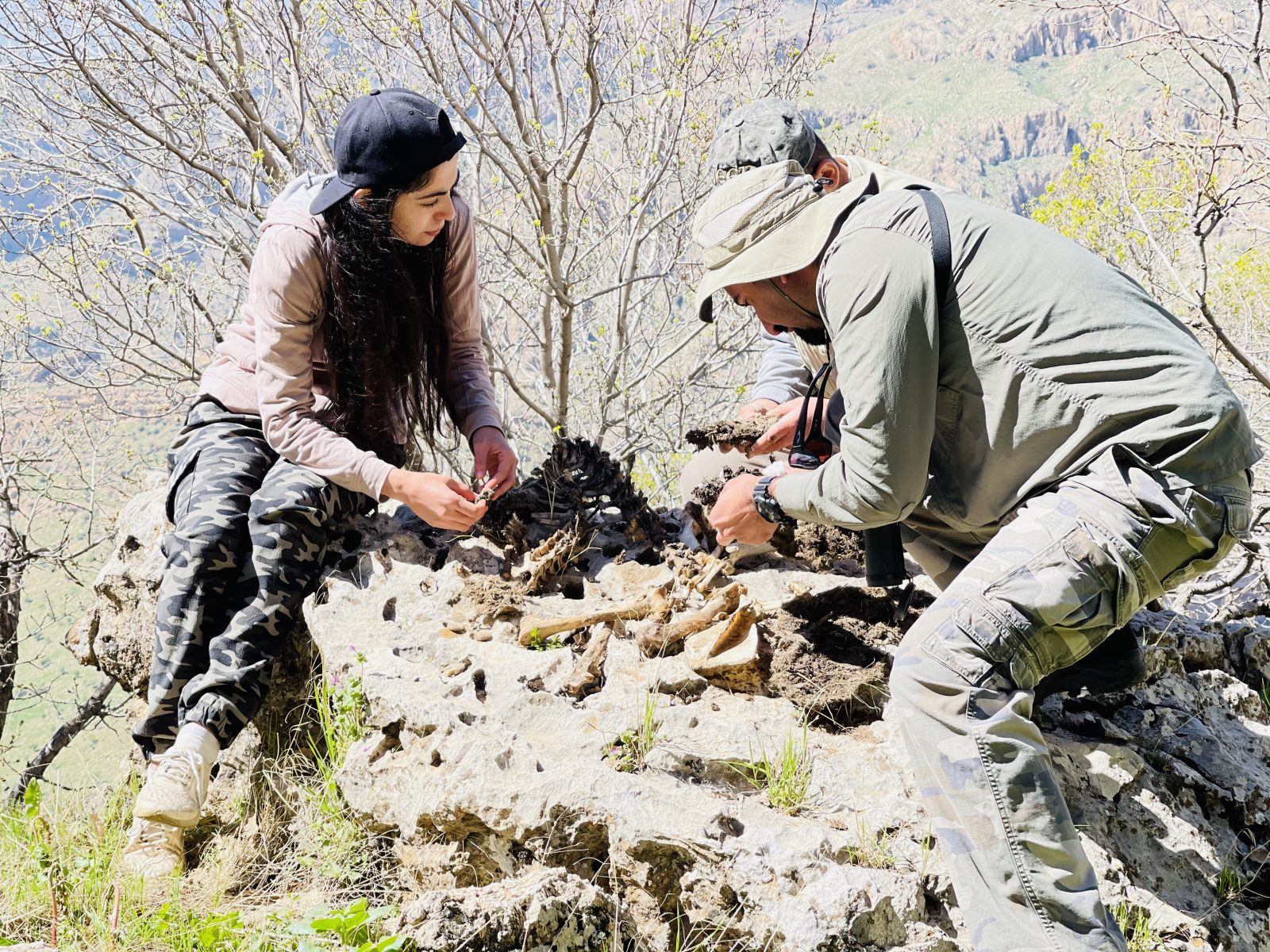
Soma I. Majeed with fellow team members at the site of the skeletal remains of a hunted Persian leopard (Panthera pardus tulliana) in the Bamo Mountains, Kurdistan Region of Iraq. Photo by Fazel Hawrami.
Forest Recovery and Habitat Protection
Since 2017, Soma has voluntarily initiated and participated in several activities focused on forest recovery, native tree regeneration, and habitat protection across the Kurdistan Region.
Kurdistan's natural landscapes include oak forests, mixed woodlands, and riparian forests, characterized by native species such as oak (Quercus brantii and Quercus aegilops), Montpellier maple (Acer monspessulanum), wild pistachio (Pistacia eurycarpa and Pistacia khinjuk), Azarole hawthorn (Crataegus azarolus), wild fig, wild pear, and other native trees.
Her forest recovery activities involve collecting seeds from native tree species, drying and storing them for seasonal planting, and reintroducing them into suitable habitats during autumn. These activities have involved local communities, environmental organizations, activists, mountaineers, and university students. The initiatives have also helped encourage wider community participation in native forest restoration and environmental stewardship.
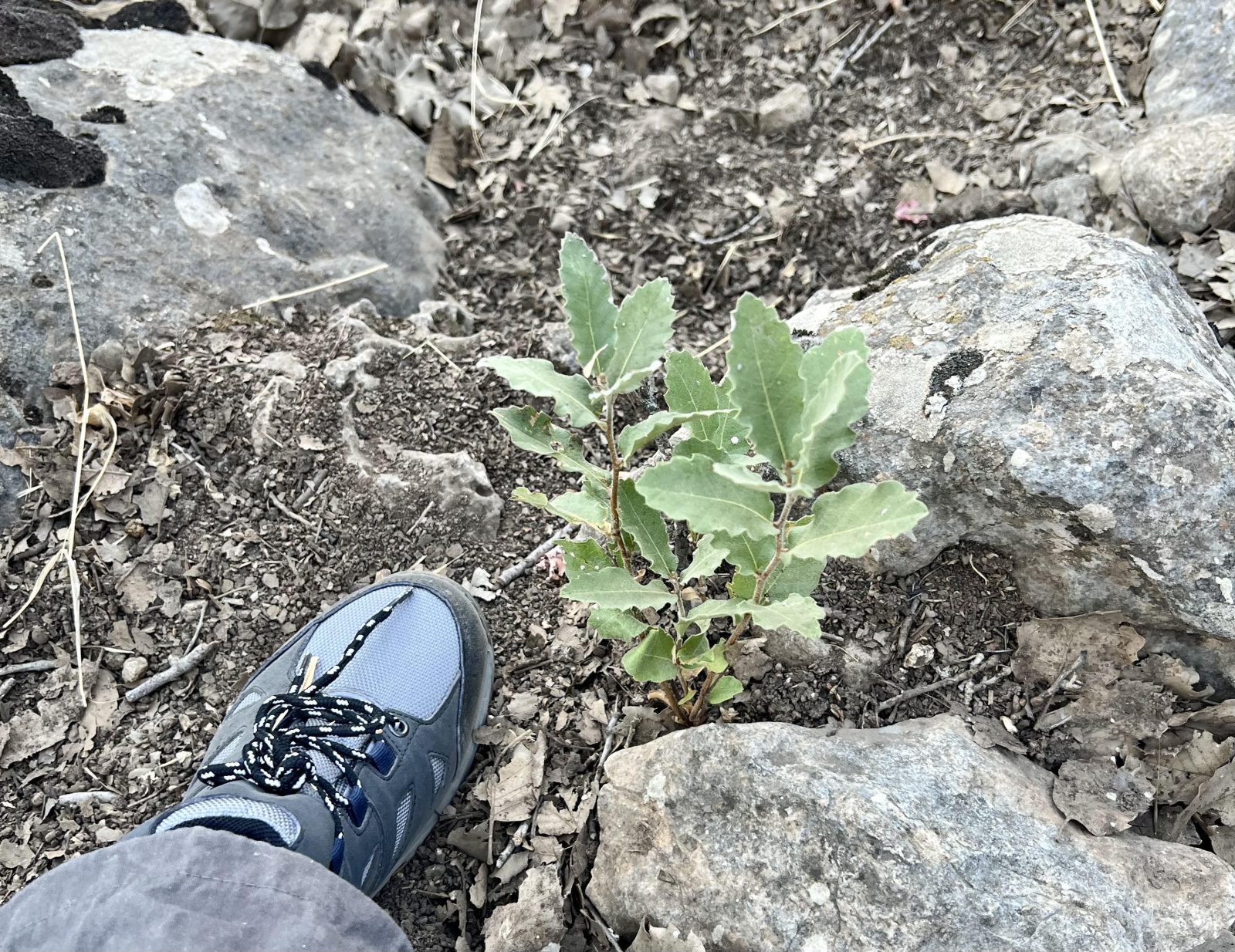
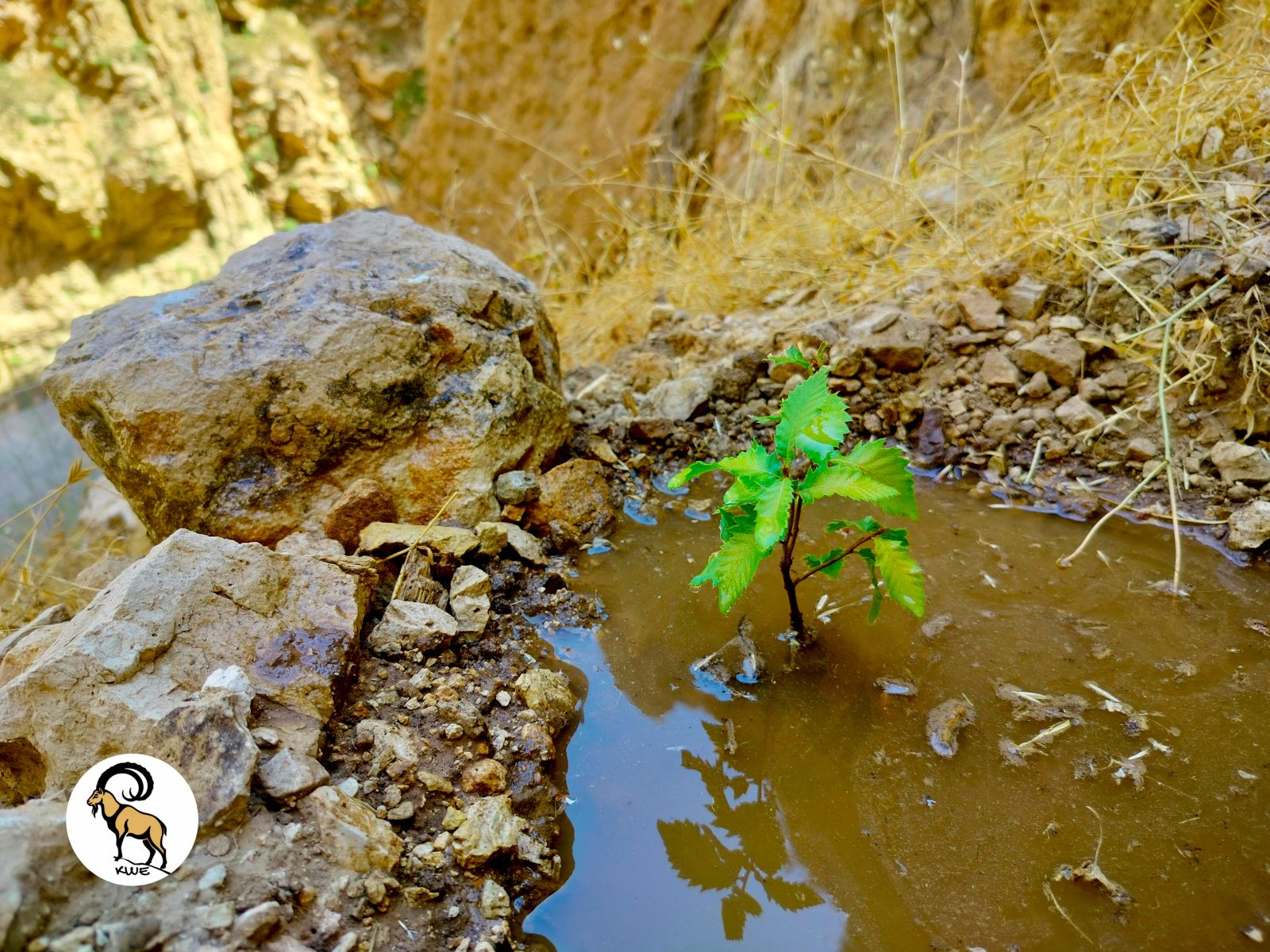
A native oak (Quercus spp.) sapling growing in the wild following a reforestation initiative in Panthera pardus tulliana habitat. The sapling was propagated from a locally collected seed and planted as part of efforts to restore native oak woodland and improve wildlife habitat, 2026. Photo by Soma I. Majeed.
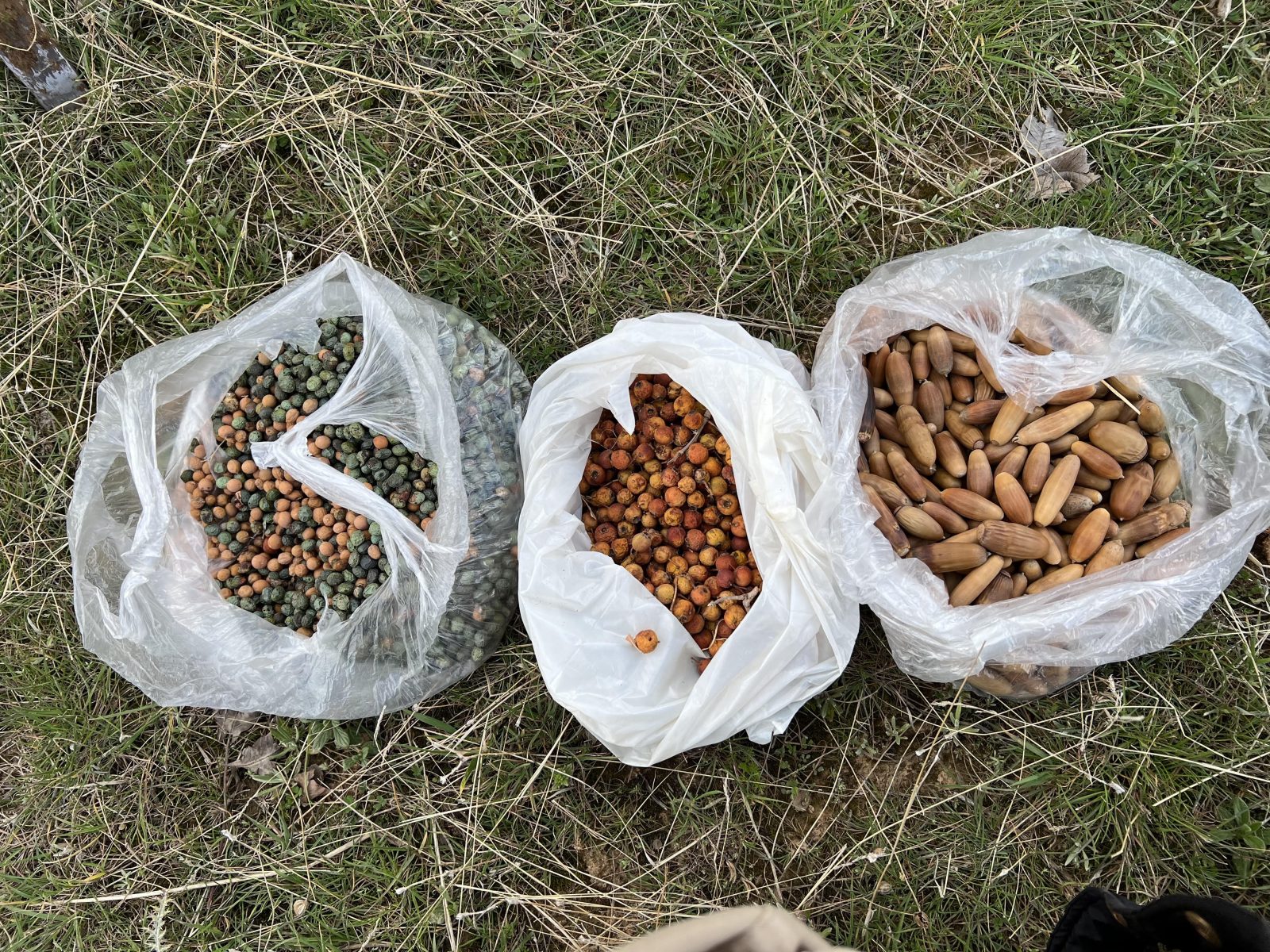
Locally collected native tree seeds—including oak (Quercus spp.), wild pistachio (Pistacia spp.), and Azarole hawthorn (Crataegus azarolus)—after drying and prepared for reforestation and habitat restoration in the mixed forests of the Bamo and Khoshk Mountains, 2023. Photo by Soma I. Majeed.
Wildfire Prevention and Forest Protection
In response to the extensive loss of forest cover in the Kurdistan Region, Soma participated in a wildfire prevention initiative conducted under the supervision of the Office of the Deputy Prime Minister.
The project focused on providing blower equipment and practical training for forestry police, civil defense personnel, and environmental activists in the safe and planned use of equipment for wildfire prevention and forest protection.
The initiative targeted areas identified as particularly vulnerable to wildfires, using geographic information system (GIS) data to support planning.
Its objectives included protecting native forest habitats, supporting natural forest regeneration, reducing wildfire-related damage, and safeguarding wildlife and biodiversity.
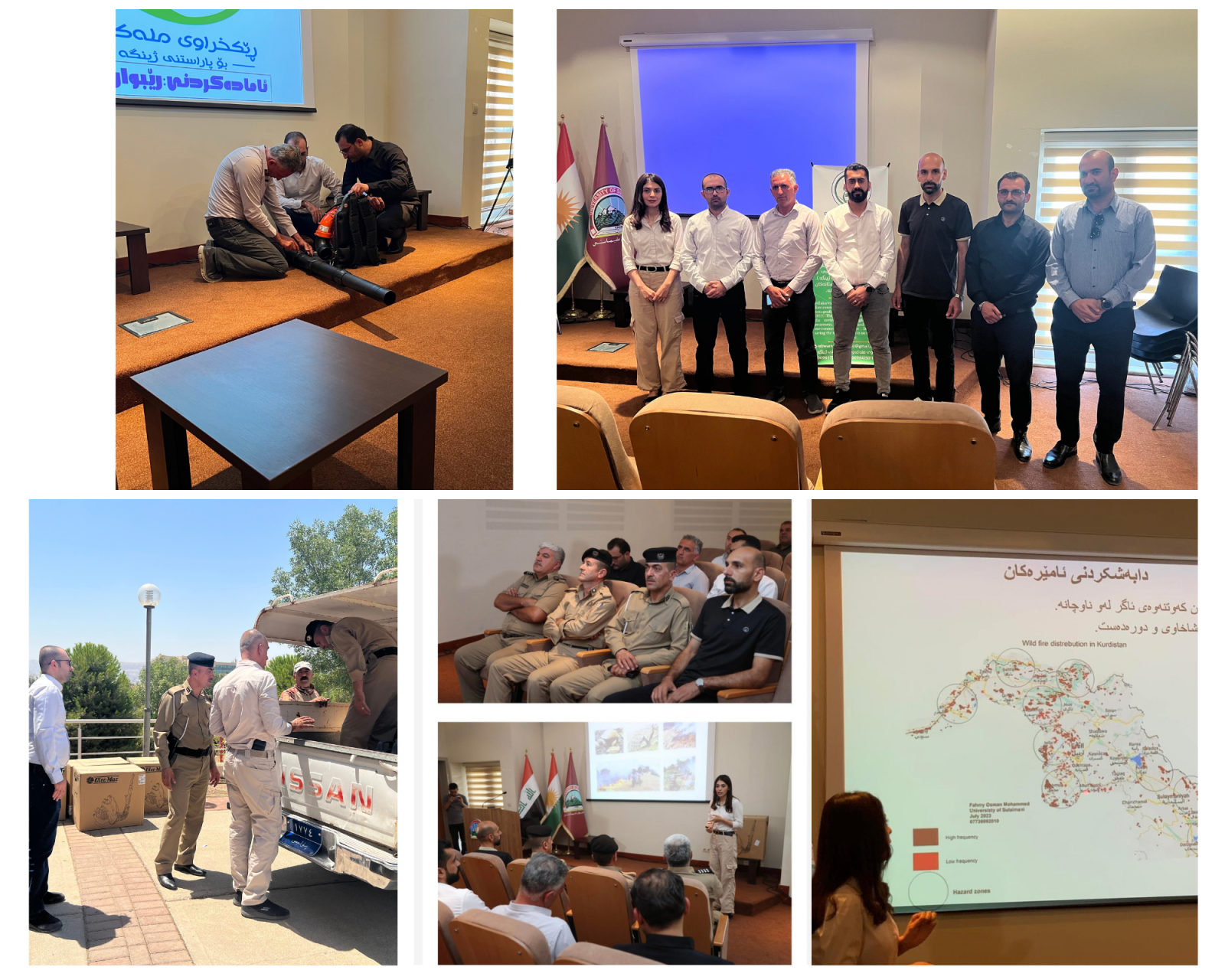
Participation in a wildfire prevention and forest protection project in the Kurdistan Region of Iraq as wildlife conservationists from the University of Sulaimani, under the supervision of the Office of the Deputy Prime Minister and in collaboration with the Mlakawa Organization for Environmental Protection. The project focused on providing blower equipment and practical training for forestry police, civil defense personnel, and environmental activists on the safe and effective use of the equipment for wildfire prevention and forest protection. Following the training, the equipment was provided to forestry police and civil defense forces to support wildfire prevention and response,2024.
Wildlife Research and Biodiversity Documentation
Since 2018, Soma has been actively engaged in wildlife research and field exploration, with a particular interest in the region’s underdocumented mammals and other wildlife.
Her early camera-trapping work in Bamo Mountain, the village of her husband’s family, conducted alongside her husband, marked a pioneering milestone in wildlife research in the area. This fieldwork resulted in the first published research record of the Persian leopard (Panthera pardus tulliana) from their study area, strengthening her commitment to documenting and conserving Kurdistan’s wildlife.
What began as the field initiative of a young biologist following graduation gradually developed into broader wildlife research, scientific collaboration, and biodiversity documentation activities. Working as a small family field team, she continued exploring different landscapes despite the challenges of conducting wildlife research in a region affected by decades of conflict and environmental pressures.
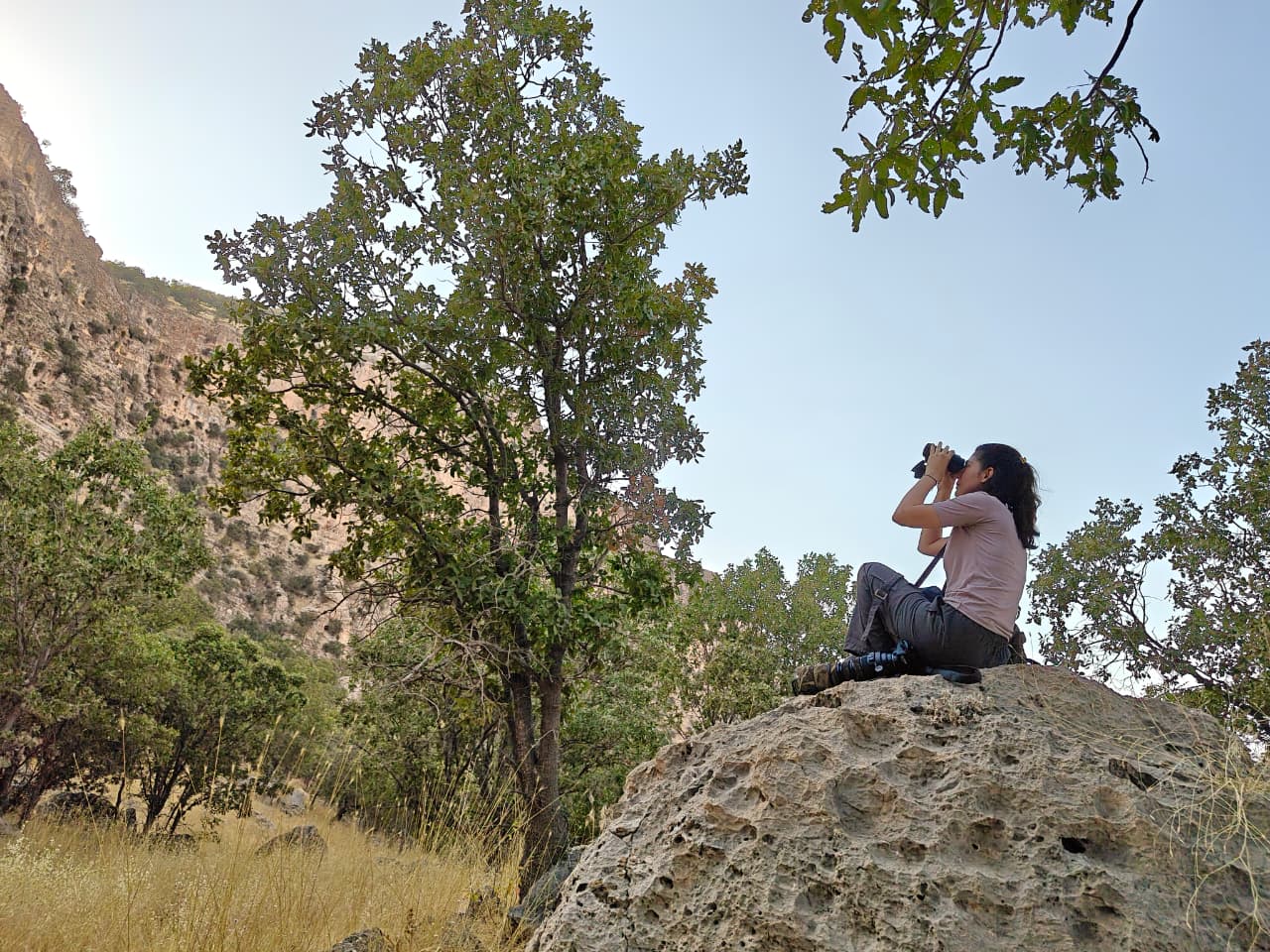
Soma I. Majeed conducting a wildlife field survey in the Bamo Mountains, using binoculars to observe wildlife and assess the surrounding habitat. Photo by Soran H. Ahmed.
Beyond field research, Soma has contributed to scientific publishing through two wildlife books, bringing scientific knowledge about Kurdistan’s fauna to both Kurdish- and English-speaking audiences.
Her book, Mammals of Bamo–Khoshk Mountain, published by the American University of Iraq, Sulaimani (AUIS), in both Kurdish and English, represents a contribution to scientific literature on the region’s mammalian diversity. By making scientific information available in Kurdish, she seeks to support the development of Kurdish as a language of scientific communication and enable Kurdish-speaking readers to access knowledge about their natural heritage.
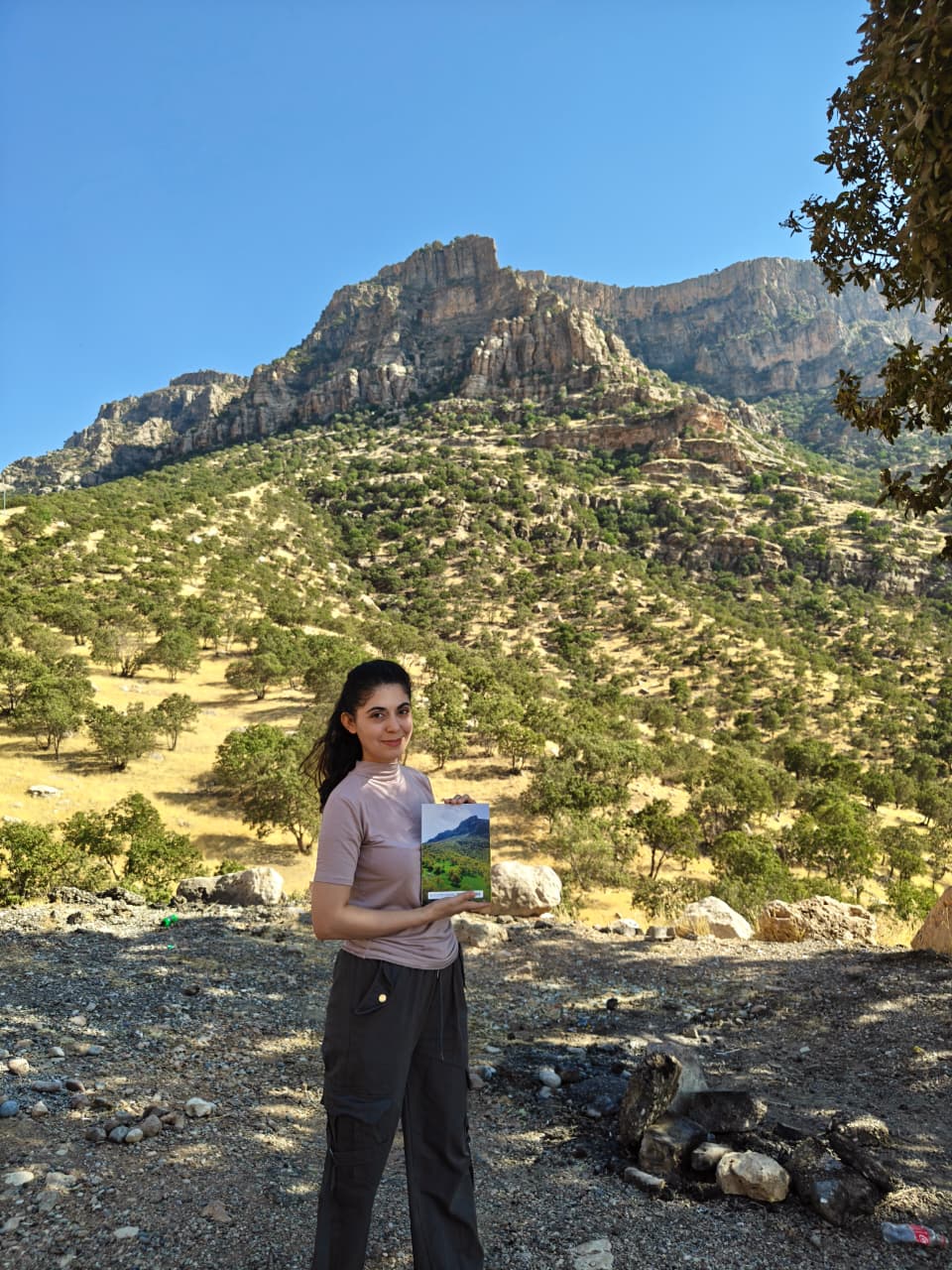
Soma I. Majeed holding Mammals of the Bamo–Khoshk Mountains during fieldwork in the Bamo Mountains, 2026. Photo by Soran H. Ahmed.
Her second publication, Snakes of the Kurdistan Region of Iraq, published in Germany by Chimaira, is a bilingual scientific contribution documenting the region’s snake diversity. It is presented as the first dedicated scientific book on the snakes of the Kurdistan Region of Iraq, contributing to regional herpetological knowledge and making this information accessible to a wider international readership.
Through collaboration with the Kurdistan Foundation, Climate KRD, and the Climate Change Board of the Kurdistan Regional Government, she has participated as an expert researcher in her fields of specialization, contributing to wildlife research and biodiversity data collection. Her contributions have supported the development of a regional wildlife database covering mammals, reptiles, and amphibians, recognized as the first comprehensive wildlife database initiative of its kind in the Kurdistan Region and Iraq.
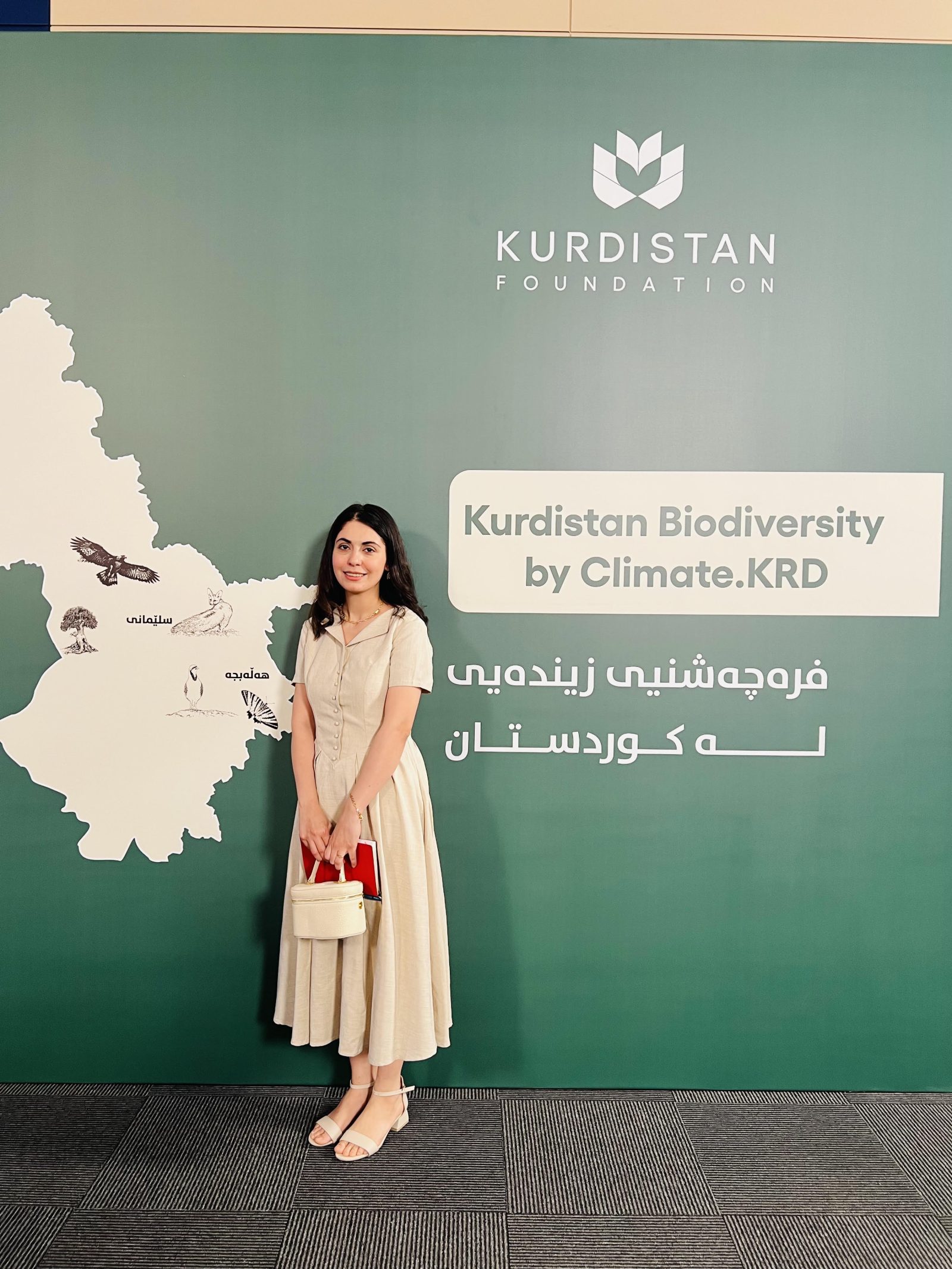
Soma I. Majeed at the launch of the Kurdistan Biodiversity Project, where she participated as a wildlife expert and researcher, contributing her expertise in wildlife conservation and biodiversity research. Photo by Soran H. Ahmad, 2026.
Recognizing the limitations of existing wildlife information, she has worked to bring together previous scientific studies, contribute new field observations, collaborate with local and international researchers, and support biodiversity data collection and database development. She considers scientific documentation, accessible biodiversity data, and collaboration among researchers, institutions, and government authorities essential foundations for effective conservation planning.
Environmental Awareness and Community Engagement
Soma considers environmental education and public awareness essential components of wildlife conservation. Through university activities, workshops, television appearances, public festivals, social media, and community engagement, she has worked to raise awareness about mammals, particularly top predators and keystone species such as the Zagrosian/Persian leopard, as well as their key prey species and the threats they face. She aims to help people understand how they can contribute to the conservation of these remarkable top predators and protect their habitats despite the environmental challenges and threats facing wildlife in Kurdistan.
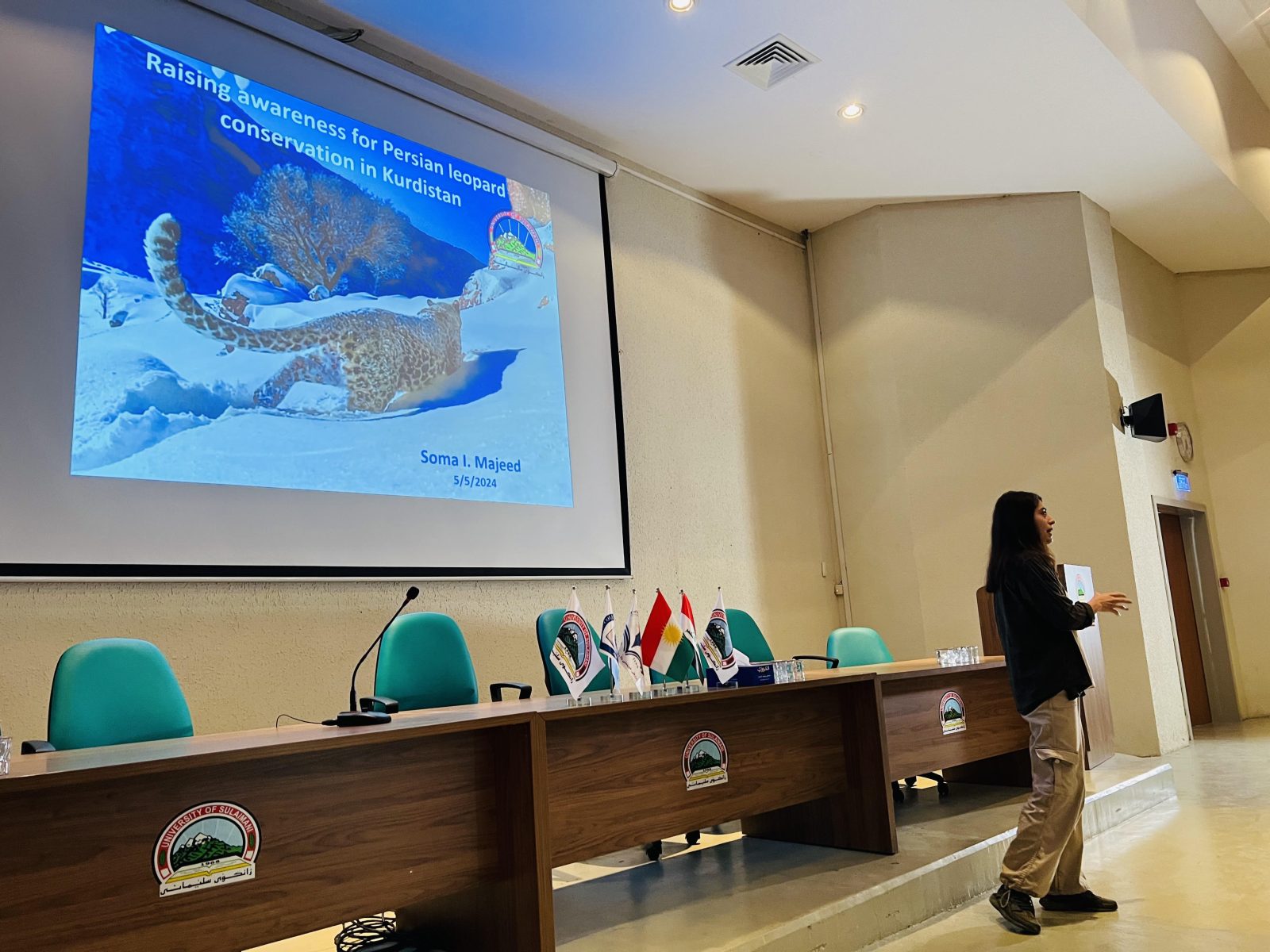
Soma I. Majeed presenting at a symposium on raising awareness for Zagrosian (Persian) leopard conservation in Kurdistan, held at the University of Sulaimani on 5 May 2024. Photo by Soran H. Ahmad.
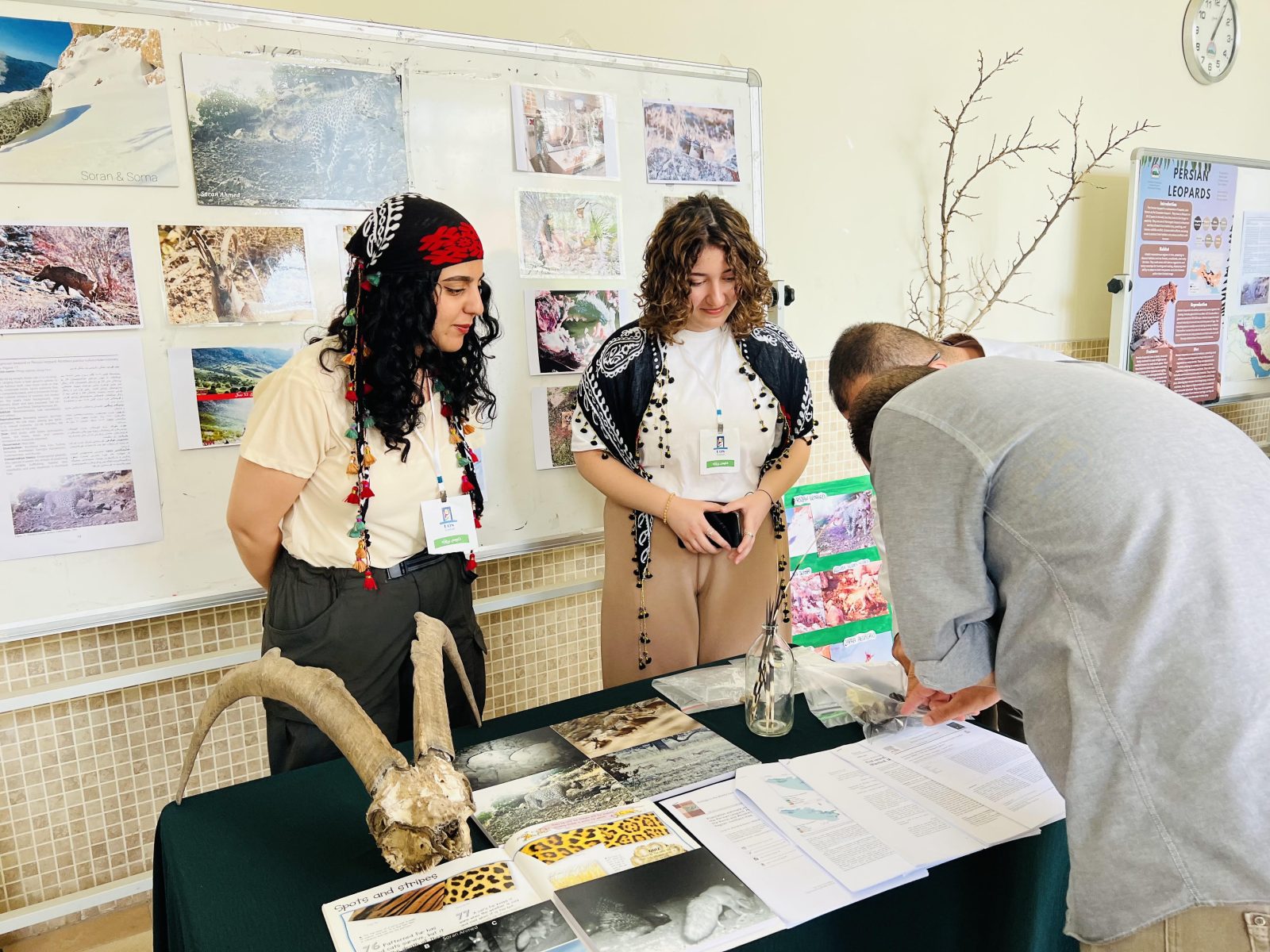
University of Sulaimani students Lara Shaho and Basoz Qadir running an educational awareness booth on the Zagrosian (Persian) leopard (Panthera pardus tulliana) in the Kurdistan Region of Iraq, highlighting the species, its major threats, and ways to support its conservation. The activity was conducted under the supervision of Soma I. Majeed and reflects efforts to engage university students in wildlife conservation, environmental education, and conservation projects, 5 May 2024.
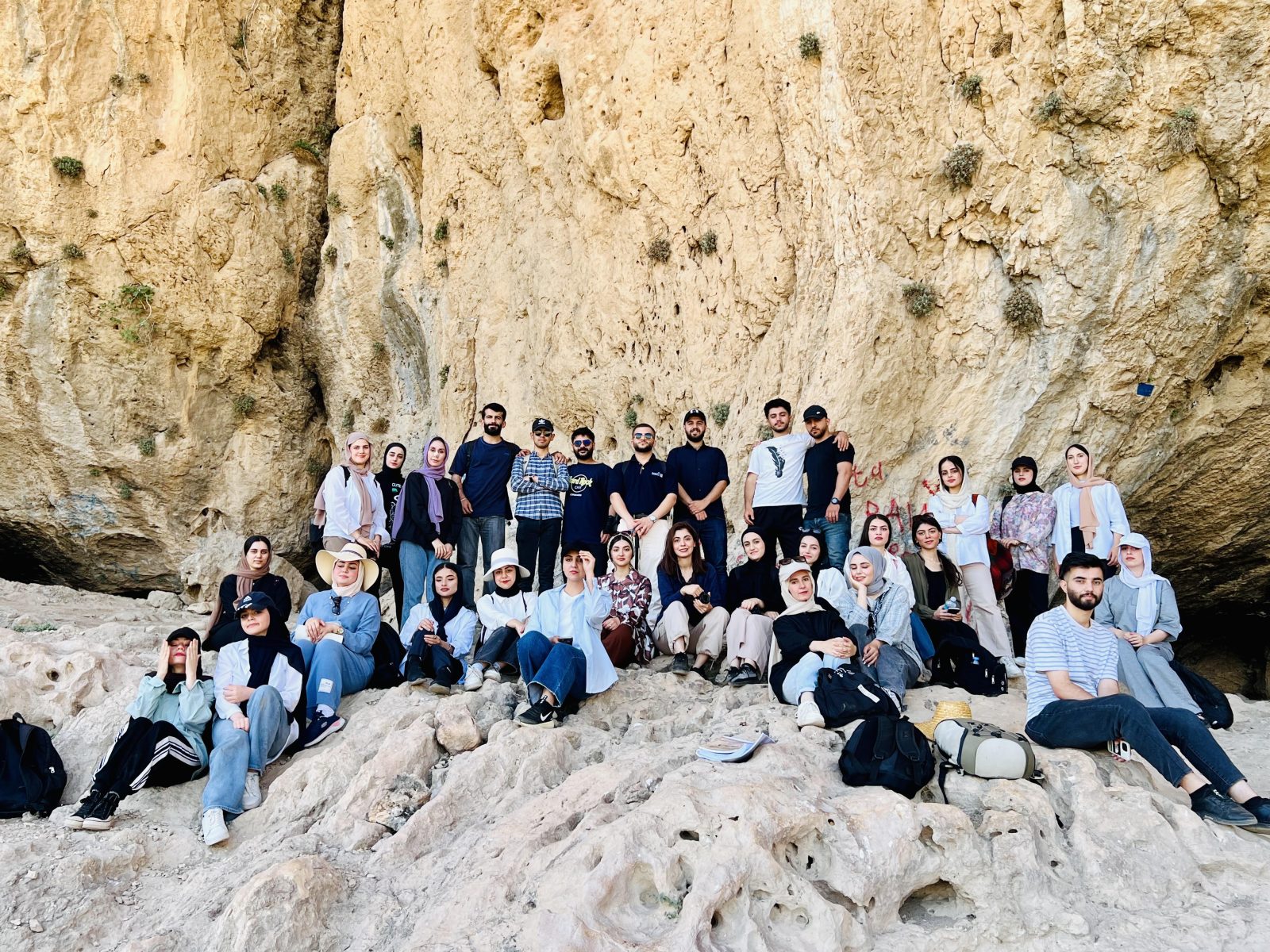
Field trip with fourth-year students from the Biology Department, University of Sulaimani (UOS), conducting a wildlife field survey and learning about wildlife research, field observation, and documentation at Hazarmerd Cave, Sulaimani, on 17 May 2025, under the supervision of Soma I. Majeed.
Her awareness activities also promote a broader understanding of Kurdistan’s biodiversity, including mammals, amphibians, reptiles, habitats, and the importance of healthy ecosystems. She has also participated in a documentary featuring her family’s wildlife documentation and conservation work in Bamo Mountain, which was broadcast on the Rudaw channel and is available on YouTube under the title Four Seasons in Mountain Bamo.
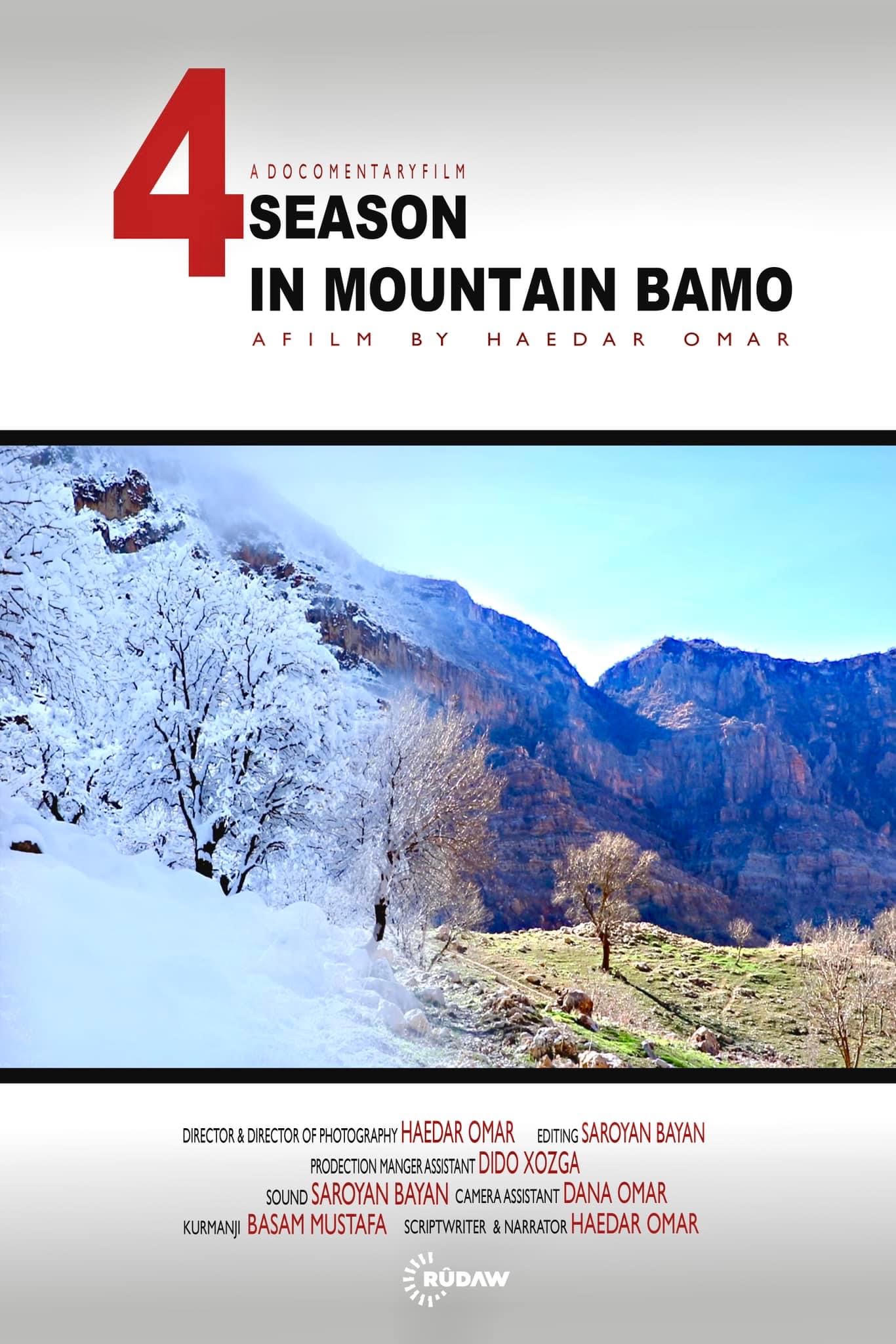
The documentary film Four Seasons in the Bamo Mountains, directed by Haidar Omar, documenting the wildlife fieldwork and research conducted by Soma I. Majeed and Soran H. Ahmad in the Bamo Mountains throughout the four seasons.
A particular focus of her awareness activities is children and young people. She believes that nurturing curiosity, appreciation, and respect for nature among younger generations is essential for building a future in which Kurdistan’s wildlife and natural heritage are valued and protected. Her approach encourages people to see themselves not only as observers of nature but also as active participants in its conservation.
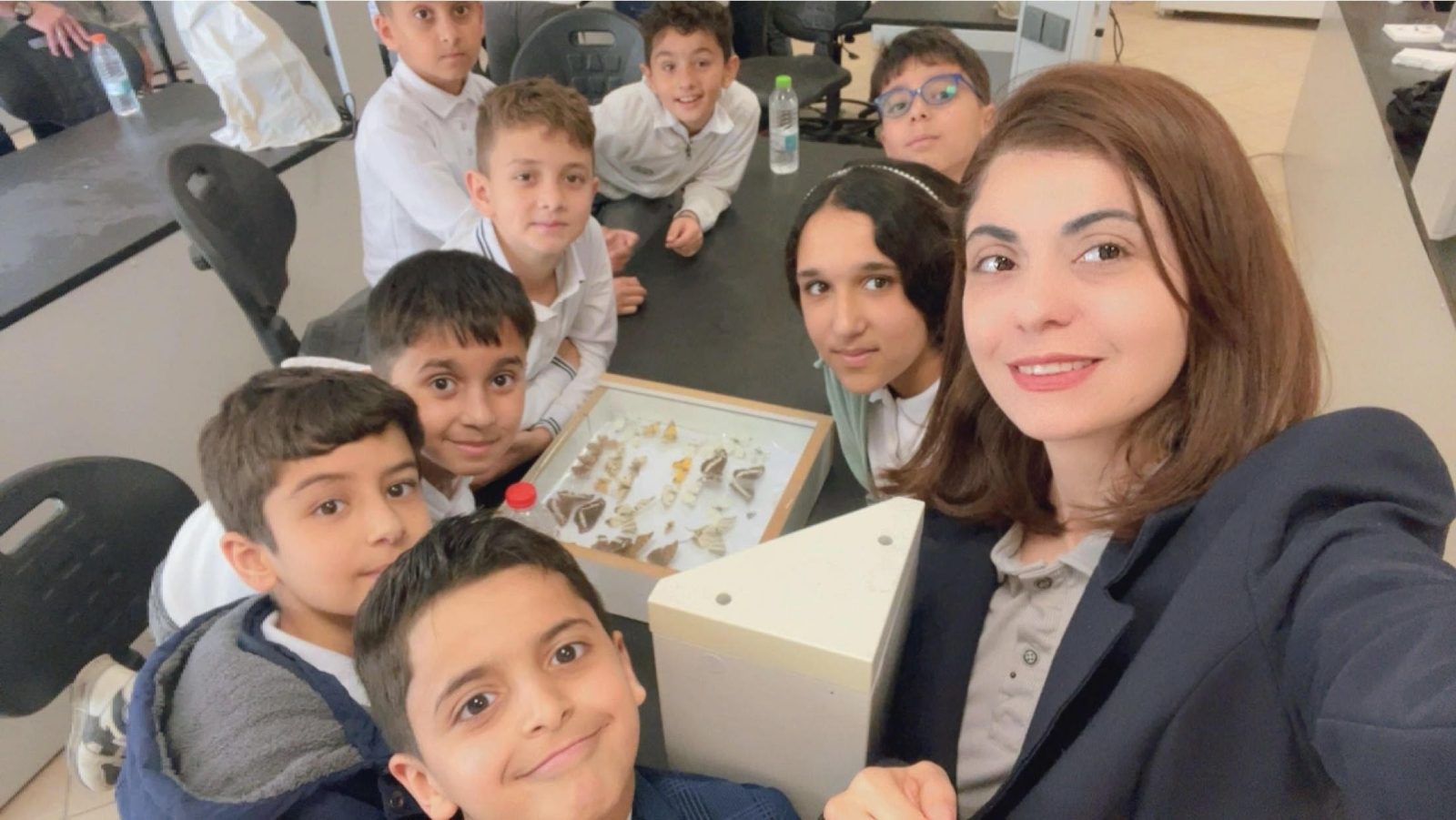
Soma I. Majeed with a group of primary school students during a scientific visit to the Biodiversity Laboratory, where students learned about biodiversity and wildlife through educational activities. Selfie by Soma I. Majeed.
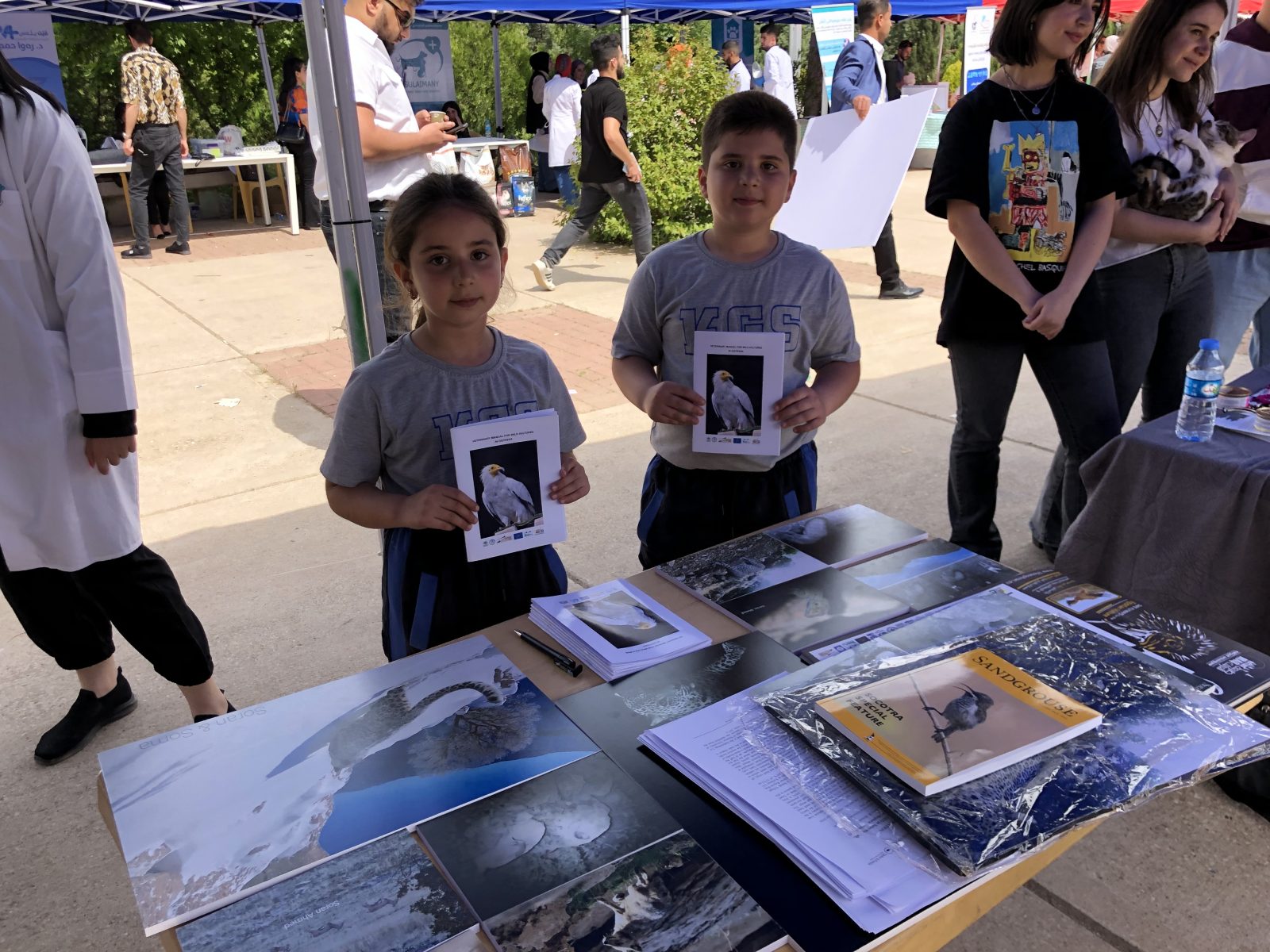
Participation in a public outreach event at the University of Sulaimani, welcoming school students and members of the local community. While the event focused broadly on veterinary and animal-related topics, our booth was dedicated to biodiversity conservation and wildlife awareness. In the photo, two primary school students are learning about wild animals and the importance of their conservation. Photo by Soma I. Majeed.
Kurdistan Wildlife Expedition (KWE)
Soma is the Founder of Kurdistan Wildlife Expedition (KWE), Discovering and promoting Kurdistan's natural heritage through wildlife exploration, biodiversity conservation, environmental education, and sustainable ecotourism, while supporting the protection of its unique landscapes, ecosystems, and native species for future generations.
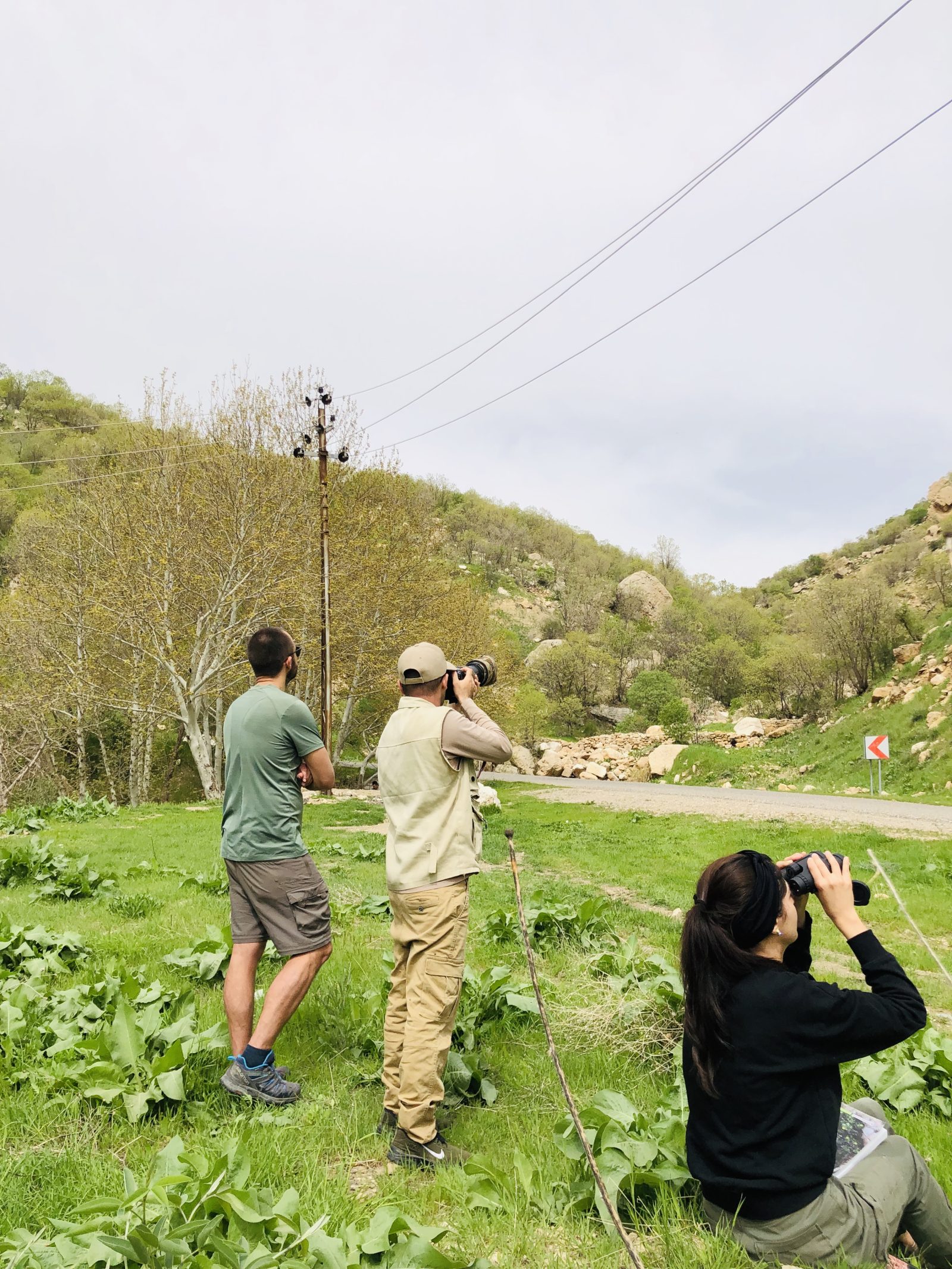
Introducing a visitor to the wildlife and natural heritage of the Kurdistan Region of Iraq through wildlife exploration and field observation. Photo by Shagul Ali.